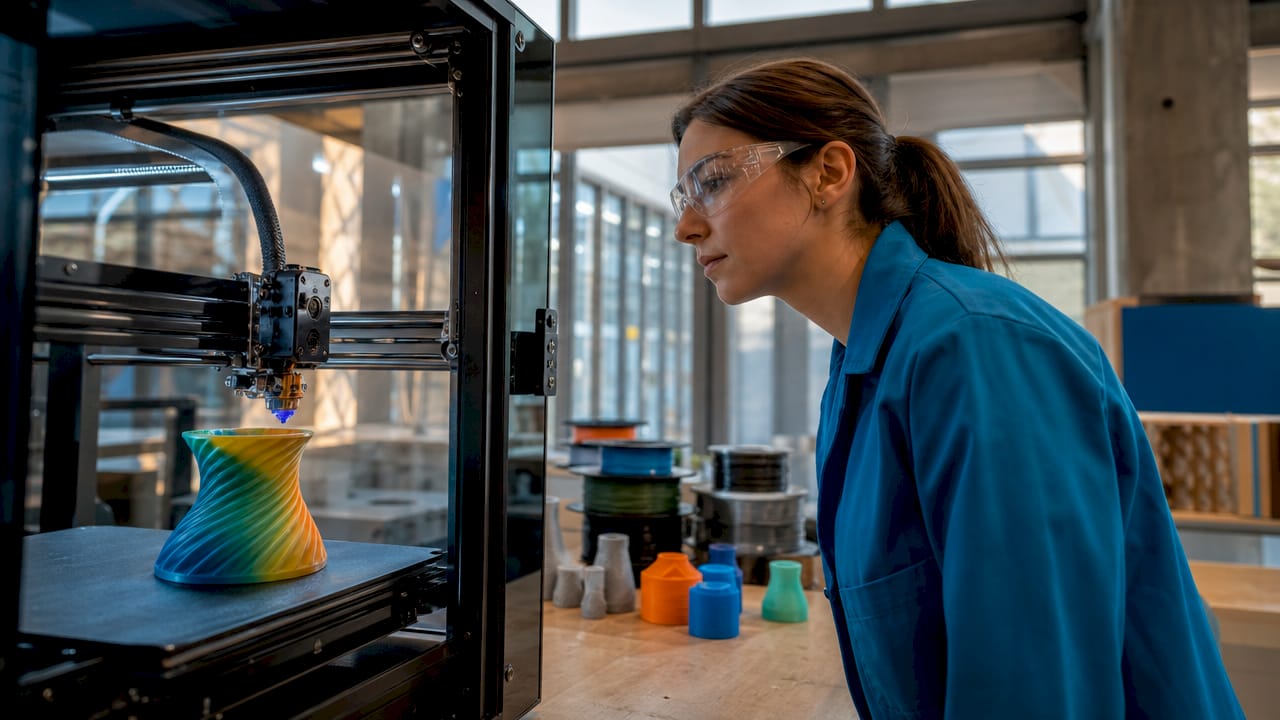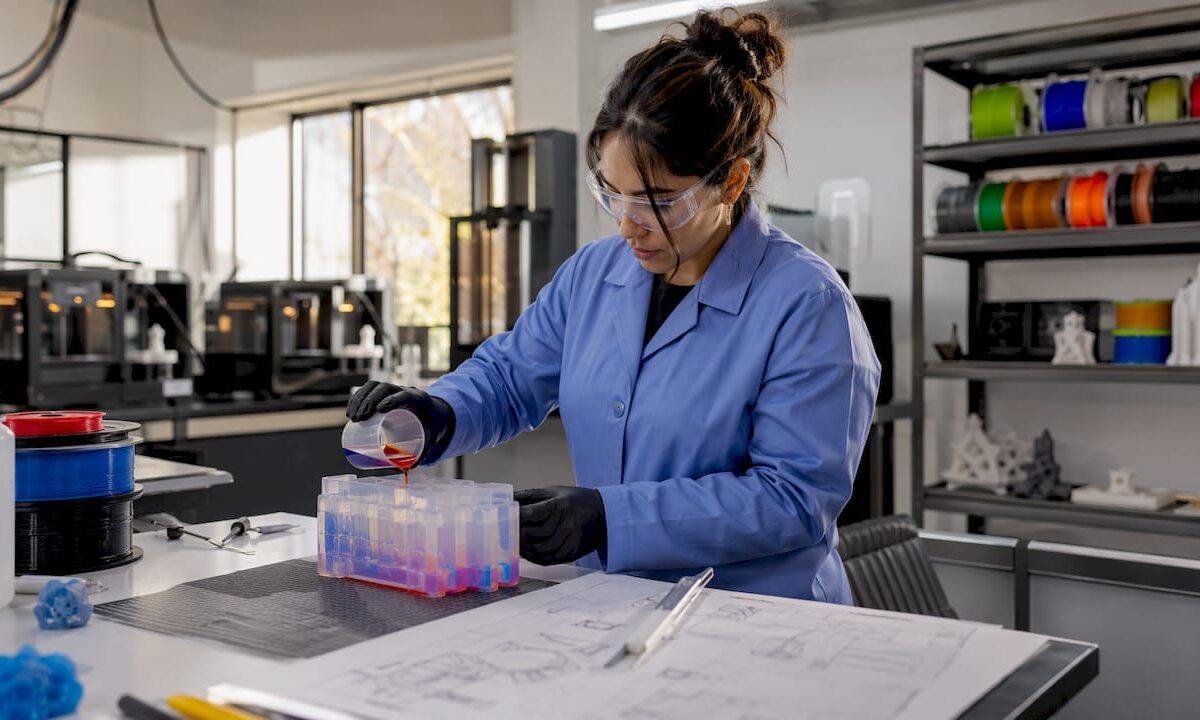
Technician inspecting 3D-printed polymer prototype

Why Use Additive Materials in Manufacturing and Prototyping

Additive manufacturing materials are the substances, ranging from engineering polymers and metal powders to ceramics and fiber-reinforced composites, that 3D printers deposit layer by layer to build a finished part directly from a digital file. The core case for using them is straightforward: the U.S. Department of Energy reports that additive manufacturing can reduce energy use significantly and lower material and waste costs substantially compared to traditional methods. That combination of efficiency and design freedom is why engineers, product developers, and manufacturers across the country are shifting to additive processes for everything from aerospace brackets to medical implants.

The five main material categories are:

  • Polymers (PLA, ABS, PETG, nylon, TPU): the most widely used group, covering prototypes and functional end-use parts
  • Metal powders and wires (titanium, stainless steel, Inconel, aluminum alloys): for structural, high-temperature, and load-bearing applications
  • Composites (carbon fiber or glass fiber reinforced polymers): higher stiffness and strength-to-weight ratios than base polymers alone
  • Ceramics (alumina, zirconia): suited for heat shields, dental restorations, and electronic substrates
  • Sand and binder-jetting materials: used primarily for casting molds and cores in foundry applications

Industry bodies including ASTM International and ISO/TC 261 publish the standards that govern how these materials are tested and qualified for production use.

What types of additive manufacturing materials are available?

Understanding the material options is the first step toward choosing the right one for a given application. Each category has a distinct performance profile, and picking the wrong one wastes both time and money.

Material Typical strength Flexibility Relative cost Common applications
Polymers (PLA/ABS) Low–medium Medium–high Low Prototypes, housings, jigs
Engineering polymers (nylon, PEEK) Medium–high Low–medium Medium Functional parts, brackets
Metal powders (Ti, SS, Inconel) High Low High Aerospace, medical implants
Composites (CFRP) Very high Low Medium–high Structural, motorsport parts
Ceramics High (brittle) Very low High Heat shields, dental, electronics
Sand/binder-jet N/A N/A Low–medium Casting molds and cores

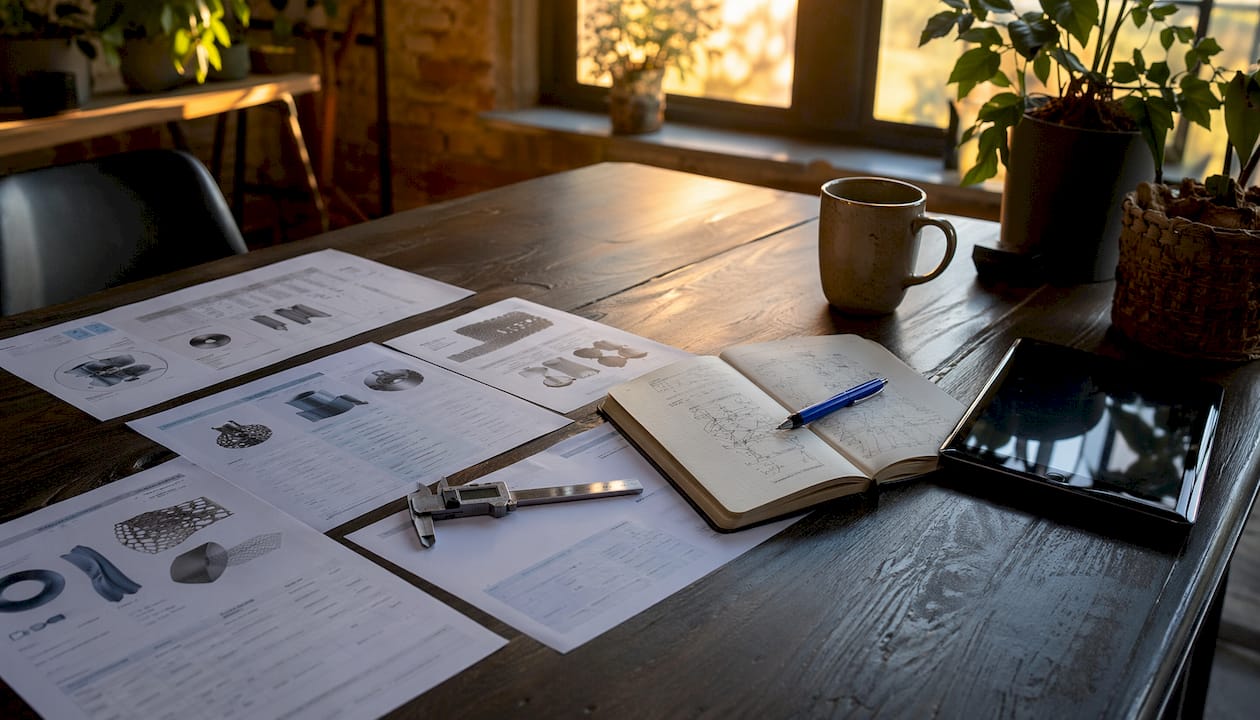
Overhead view of polymers comparison table on table

Polymers dominate prototyping because they are inexpensive, easy to process, and available in a wide range of mechanical properties. Flexible grades like TPU handle living hinges and gaskets; rigid engineering grades like PEEK withstand continuous service above 200°C.

Metal powders unlock the full potential of additive processes for industrial parts. Powder bed fusion (PBF) and directed energy deposition (DED) can produce titanium or Inconel components with internal lattice structures and cooling channels that no subtractive process could replicate. The trade-off is cost: metal feedstock and machine time are expensive, which pushes metal AM toward low-volume, high-value parts.

Composites bridge the gap between polymer accessibility and metal performance. Continuous carbon fiber reinforcement, deposited alongside a nylon or PETG matrix, can produce parts that rival aluminum in stiffness at a fraction of the weight. Aerospace and motorsport teams have adopted this approach for brackets, ducts, and structural panels.

Ceramics and sand occupy specialized niches. Ceramic AM produces dental crowns and heat-resistant components with geometries impossible to achieve by traditional pressing or slip casting. Sand binder jetting prints mold cavities overnight that would take a pattern shop days to machine, compressing foundry lead times dramatically.
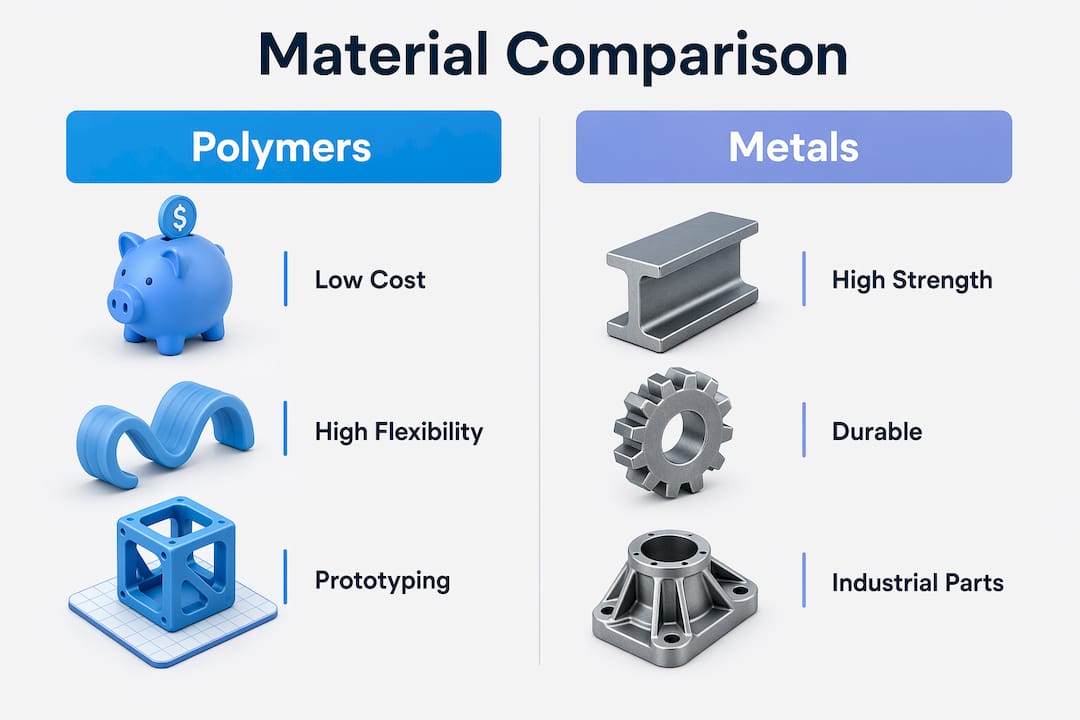
Infographic showing polymers versus metals comparison in additive manufacturing

Pro Tip: When selecting a material, start with the end-use environment, not the printer. A part that must survive 150°C and chemical exposure needs PEEK or a metal, not PLA, regardless of how convenient PLA is to print.

Why use additive materials? The core advantages

The benefits of additive materials in manufacturing go well beyond “you can print complex shapes.” Each advantage connects to a measurable outcome in cost, time, or performance.

Design freedom that traditional processes cannot match

Additive processes build geometry by addition, so internal channels, lattice infill, and organic topology-optimized shapes are no harder to produce than a solid block. Topology optimization, which uses software to remove material from low-stress regions while preserving load paths, can reduce part weight substantially across multiple industries according to comparative lifecycle studies. Lighter parts mean lower fuel consumption in aerospace and automotive applications, which creates environmental and operating-cost benefits that extend well beyond the factory floor. You can read more about how design-for-manufacturing principles apply to this in Cc3dlabs’s guide on DFM in 3D printing.
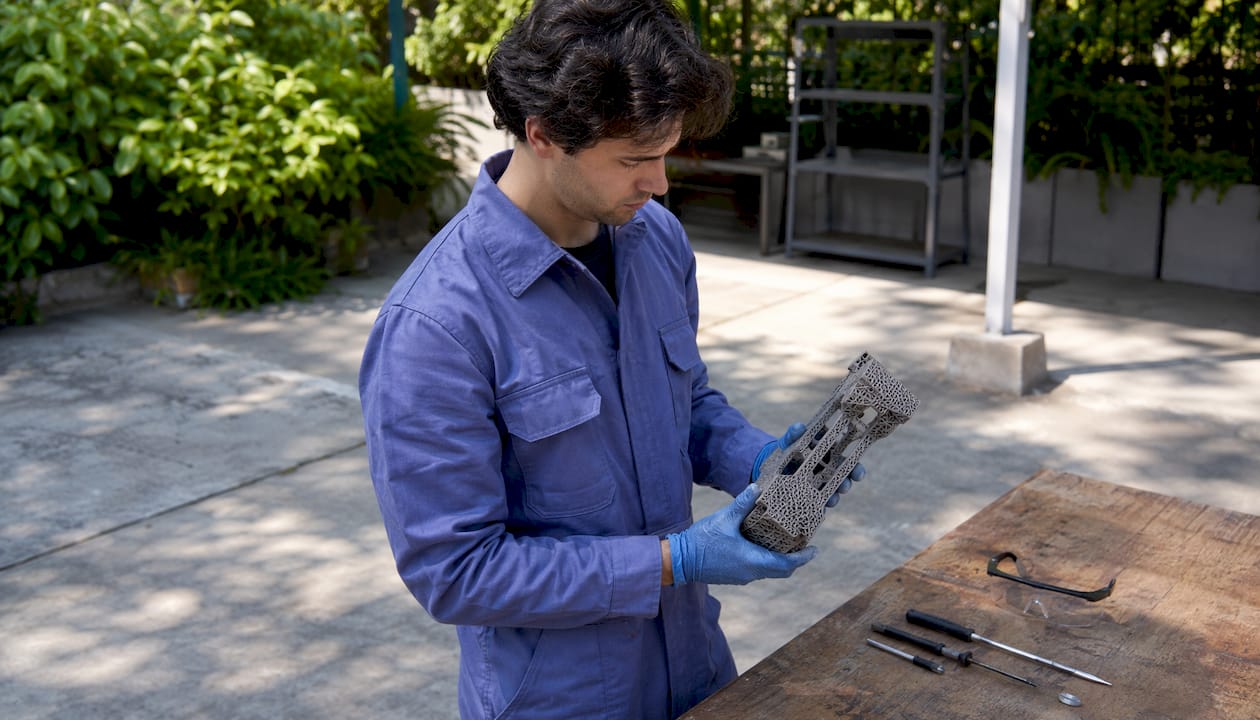
Engineer inspecting complex 3D printed aerospace part

Material efficiency that subtractive methods cannot approach

Subtractive manufacturing such as CNC milling can waste a large majority of the starting billet, particularly in aerospace applications where titanium billets are machined down to thin-walled brackets. Additive processes typically achieve high material utilization rates, depositing material only where the geometry requires it. That gap in buy-to-fly ratio is one of the clearest economic arguments for additive materials when feedstock is expensive.

Tooling cost elimination for low-volume production

Traditional injection molding or die casting requires hard tooling that can exceed 80% of total production costs for a given part. Additive manufacturing skips that step entirely. No mold, no die, no fixture. For production runs below roughly 1,000 parts per year, this makes additive the cost-effective choice in most geometries. Aerospace, medical, defense, and energy sectors recognized this early because they routinely produce high-mix, low-volume parts where tooling amortization would be prohibitive.

Supply chain simplification through localized production

Localized additive manufacturing reduces dependence on distant suppliers by enabling on-demand production close to the point of use. Instead of warehousing thousands of spare parts, a facility can store digital files and print what it needs when it needs it. That shift cuts inventory carrying costs and reduces the risk of supply disruption, a lesson that became painfully clear to many U.S. manufacturers during recent global logistics crises.

Sustainability advantages at the right production scale

  • Additive processes generate less scrap than subtractive methods, reducing raw material extraction and disposal burdens.
  • Eliminating tooling removes the energy and emissions embedded in mold manufacturing.
  • Lighter parts produced through topology optimization reduce fuel consumption during a product’s service life.
  • AM has lower environmental impacts than traditional manufacturing when production volumes are low or part geometry would cause high material waste conventionally.

Key figure: The U.S. Department of Energy reports additive manufacturing can cut waste and material costs by up to 90% compared to traditional production.

What is driving the development and adoption of additive materials?

The growth of additive materials is not happening in a vacuum. Several converging forces are pushing manufacturers, product developers, and researchers to invest in this technology.

  • Demand for customization. Consumer and industrial markets increasingly expect products tailored to specific users or operating conditions. Additive materials make one-off or small-batch customization economically viable without the penalty of tooling costs.
  • Rapid prototyping pressure. Shortening development cycles is a competitive necessity. Additive processes compress the time from CAD file to physical part from weeks to hours, letting engineering teams iterate faster and catch design flaws earlier.
  • Advances in printer capability. Multi-material printers, higher-temperature build chambers, and in-situ monitoring systems have expanded the range of materials that can be processed reliably. Machine learning and digital twins are now accelerating process stabilization and reducing qualification lead times.
  • Lightweighting requirements in aerospace and automotive. Electrification of vehicles increases the premium on structural weight reduction because battery mass must be offset elsewhere. Additive materials, combined with topology optimization, deliver weight savings that material substitution alone cannot achieve.
  • Regulatory and sustainability pressure. U.S. and international regulations on emissions and waste are pushing manufacturers toward processes that use less material and generate less scrap. Additive materials align with those goals at appropriate production scales.
  • Declining system and material costs. Between 2001 and 2011, the average price of additive manufacturing systems fell 51% after adjusting for inflation. That trend has continued, broadening access beyond aerospace and defense to mid-market manufacturers and startups.

The industries that adopted additive materials earliest, aerospace, medical, and defense, share a common profile: high part complexity, low production volumes, and high material value. Automotive and heavy transportation followed as lightweighting needs intensified. Dental and jewelry sectors adopted additive processes because personalization commands a price premium that justifies the per-unit cost. Each new sector that crosses over expands the material ecosystem and drives further cost reductions.

Research findings and U.S. industrial examples that show real-world impact

The performance claims around additive materials are well-documented, but the nuances matter as much as the headline numbers.

Energy and waste savings: what the data actually shows

The U.S. Department of Energy’s figures, up to 25% energy reduction and up to 90% material cost savings, represent the upper bound of what is achievable under favorable conditions. Those conditions are low production volume, complex part geometry, and expensive feedstock. A systematic review of comparative lifecycle studies found that AM has lower environmental impacts than traditional manufacturing when annual production volumes stay below approximately 1,000 parts, or when the part geometry would generate high material waste if machined conventionally. At higher volumes, the calculus flips: slow build rates and energy-intensive feedstock production can make additive processes less efficient than injection molding or stamping.

Industrial case study: on-site maintenance manufacturing

An industrial maintenance application documented by Kennametal demonstrated what on-site additive manufacturing can deliver in practice. Producing replacement parts additively rather than through traditional machining and forging reduced part weight by 50% and cut emissions by 45%. Those results came from combining topology-optimized designs with metal AM, exactly the kind of geometry-plus-process pairing that makes additive materials most effective.

The hidden costs engineers need to account for

Additive manufacturing carries costs that do not show up in a simple part-weight comparison. Feedstock production and post-processing are both energy-intensive and can significantly increase the environmental footprint of an additively manufactured part. Metal powder atomization, support structure removal, heat treatment, and surface finishing all add time, labor, and energy. Studies that omit these steps from their scope tend to overstate the sustainability advantage of additive processes. A complete cradle-to-gate analysis, covering feedstock, build phase, and post-processing, is the only reliable way to compare additive and traditional routes.

Design knowledge as a prerequisite

Realizing the full benefits of additive materials requires topology optimization and design-for-AM approaches that most engineers trained on subtractive processes have not yet internalized. Internal lattice structures, self-supporting geometries, and integrated cooling channels are not default outputs of conventional CAD workflows. Organizations that invest in this design knowledge consistently outperform those that simply substitute additive for subtractive without redesigning the part. Cc3dlabs’s manufacturing-grade 3D printing guide covers how these design principles translate into production-ready parts.

The honest picture of additive materials is one of genuine, well-documented advantages bounded by real constraints. The technology is not universally superior to traditional manufacturing. It is specifically superior for complex geometries, low volumes, expensive materials, and applications where design freedom creates downstream performance gains. Understanding where those boundaries sit is what separates engineers who get results from those who get expensive prototypes.


Key Takeaways

Additive manufacturing materials deliver their greatest advantages at low production volumes, with complex geometries, and when design freedom is used to reduce weight and eliminate tooling costs.

Point Details
Material utilization advantage Additive processes achieve utilization rates above 90%; subtractive methods can waste up to 90% of starting material.
Energy and cost savings The U.S. Department of Energy reports up to 25% energy reduction and up to 90% material cost savings versus traditional methods.
Tooling cost elimination Tooling can exceed 80% of total production costs in injection molding; additive manufacturing removes that expense entirely.
Optimal production volume AM is most cost-effective and environmentally favorable at roughly 1,000 parts per year or fewer, or for high-waste geometries.
Hidden costs require full analysis Feedstock production and post-processing are energy-intensive; a complete lifecycle assessment is needed for accurate comparison.

Put additive materials to work for your next project
https://cc3dlabs.com

Cc3dlabs operates near Philadelphia and specializes in filament-based 3D printing, multi-material production, and professional handheld 3D scanning (accuracy to ~0.1 mm) for businesses, product developers, and engineers across the U.S. Whether you need a single functional prototype or a batch of production parts, the team works from your CAD file to a finished, inspected part with fast turnaround. Explore the full range of professional 3D printing services or get a free online estimate to see what additive materials can do for your specific application.
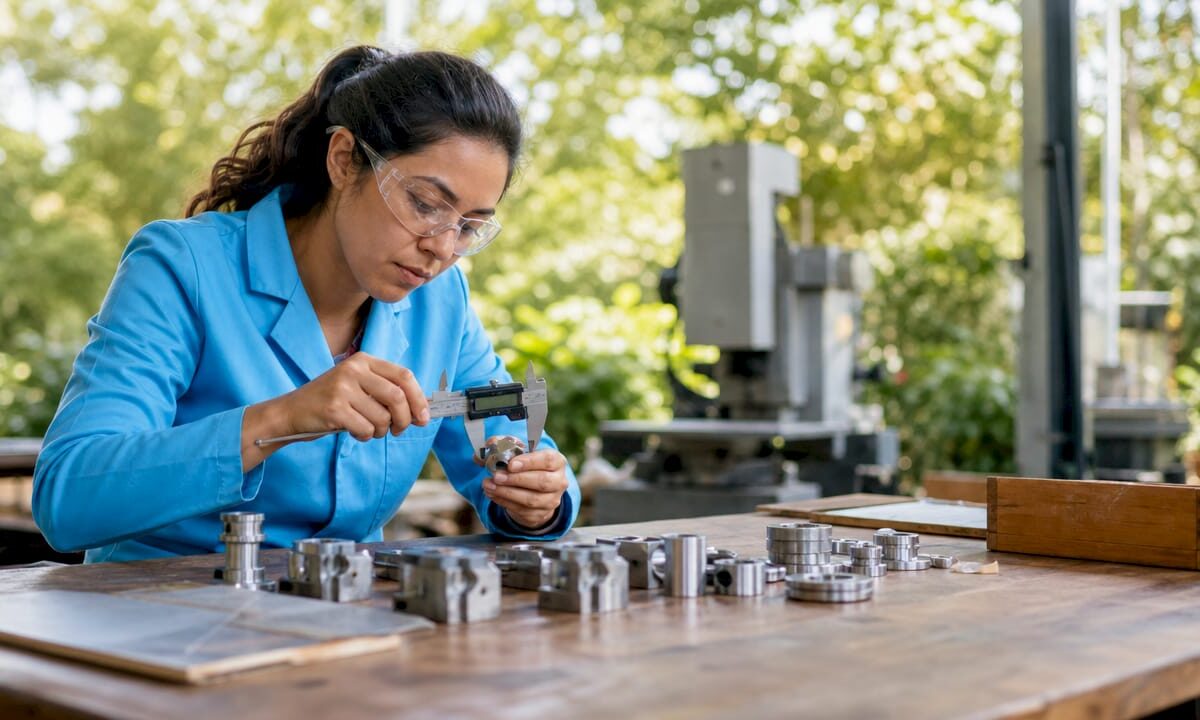
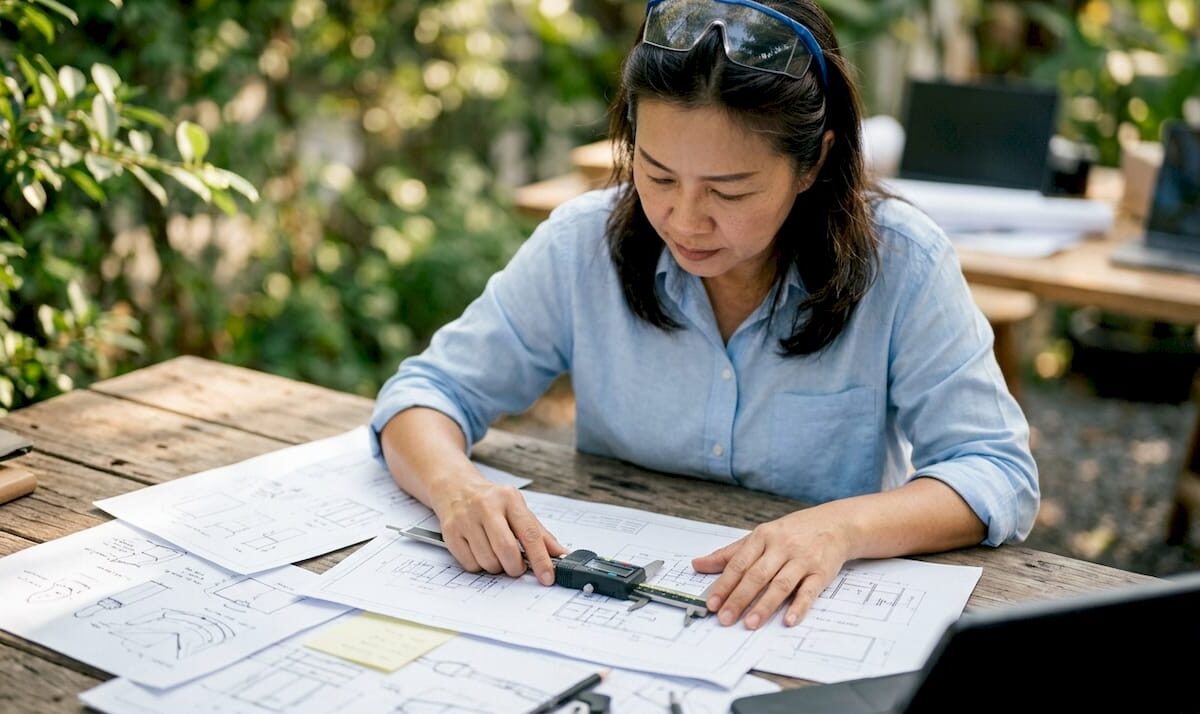
Engineer measuring custom batch components

What Is Custom Batch Manufacturing? A Clear Guide


TL;DR:

  • Custom batch manufacturing produces tailored products in defined groups with planned quality checks and changeovers. It offers flexibility, traceability, and precision for moderate-volume runs, serving industries like aerospace and medical devices. Proper design and process management optimize costs and ensure high-quality results for each batch produced.

Custom batch manufacturing is the production of tailored products in defined groups, or batches, under consistent conditions, with planned pauses between runs for quality checks and changeover. The industry term for the broader category is batch production, and the custom variant adds a layer of specification: every batch is built to a client’s exact requirements. This method occupies the middle ground between job shop production and continuous manufacturing, making it the go-to choice for manufacturers who need more than one-off parts but far fewer than mass-production volumes. Cc3dlabs works within this model daily, producing precise filament-based parts in defined runs for product developers, businesses, and designers.

What is custom batch manufacturing, exactly?

Custom batch manufacturing is defined as producing a specified quantity of customized products in a single production run, then stopping before the next batch begins. That pause is not downtime. It is a deliberate checkpoint for cleaning, recalibration, and quality verification. Batch manufacturing sits between job shop production, which handles one-off or very low-volume work, and continuous manufacturing, which never stops. The custom element means each batch is built to a client’s specifications, not a generic catalog standard.

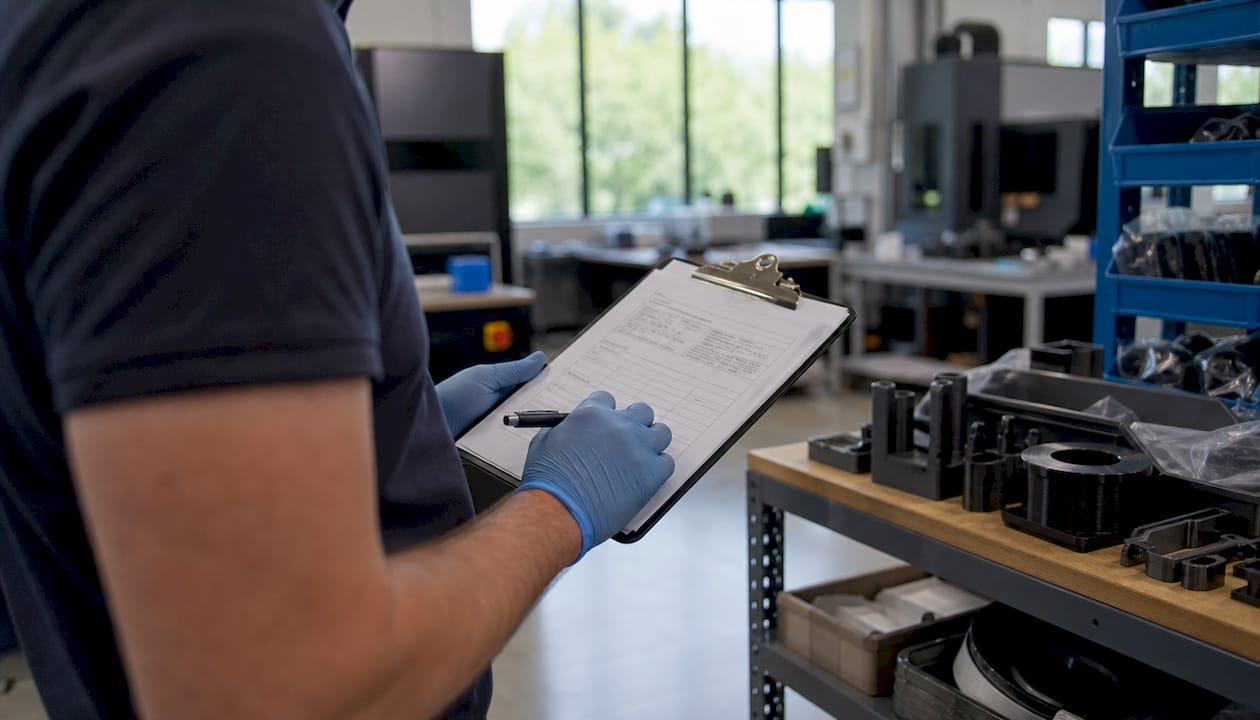
Technician reviewing batch production documentation

The stop-and-start rhythm is what separates batch production from a continuous flow line. A pharmaceutical company producing a specific drug formulation, a food manufacturer running a seasonal recipe, or a product developer ordering 50 functional prototypes all use this model. Each batch gets its own identity, its own quality record, and its own set of parameters. That structure is what makes the method both flexible and traceable.

Pro Tip: Treat each batch as a discrete project with its own documentation file. This habit pays off immediately when a quality issue surfaces and you need to isolate the affected run without pulling the entire production history.

How does the custom manufacturing process work?

The custom manufacturing process follows six defined stages, and skipping any one of them is where most costly errors originate.

  1. Define specifications. The client and manufacturer agree on materials, tolerances, quantities, and functional requirements before any design work begins.
  2. CAD design and validation. Engineers translate requirements into a 3D model. This stage includes Design for Manufacturability (DFM) review, which checks whether the design can be produced efficiently with the chosen method.
  3. Select the manufacturing method. Options include additive manufacturing such as filament-based 3D printing, CNC machining, injection molding, or a combination. The choice depends on volume, material, and tolerance requirements.
  4. Quote and finalize specs. The manufacturer confirms lead times, costs, and any design adjustments identified during DFM review.
  5. In-process quality control. Inspections happen during the run, not only at the end. Measurements, visual checks, and functional tests are logged against the batch record.
  6. Final assembly and delivery. Finished parts are inspected against the original specification, packaged, and shipped or made available for local pickup.

Successful custom manufacturing depends on a close working relationship between the designer and the manufacturer. High communication levels prevent costly errors and keep the production aligned with the original intent. A designer who understands machining constraints, and a manufacturer who understands the product’s end use, produce better results than either party working in isolation.

Pro Tip: Request a DFM report before approving your final design. A good manufacturer will flag features that add cost without adding function, such as unnecessary undercuts or overly tight tolerances on non-critical surfaces.

How does custom batch compare to job shop and mass production?

Understanding where custom batch manufacturing fits requires a clear look at the three main production paradigms. Each one trades off volume, flexibility, and cost differently.

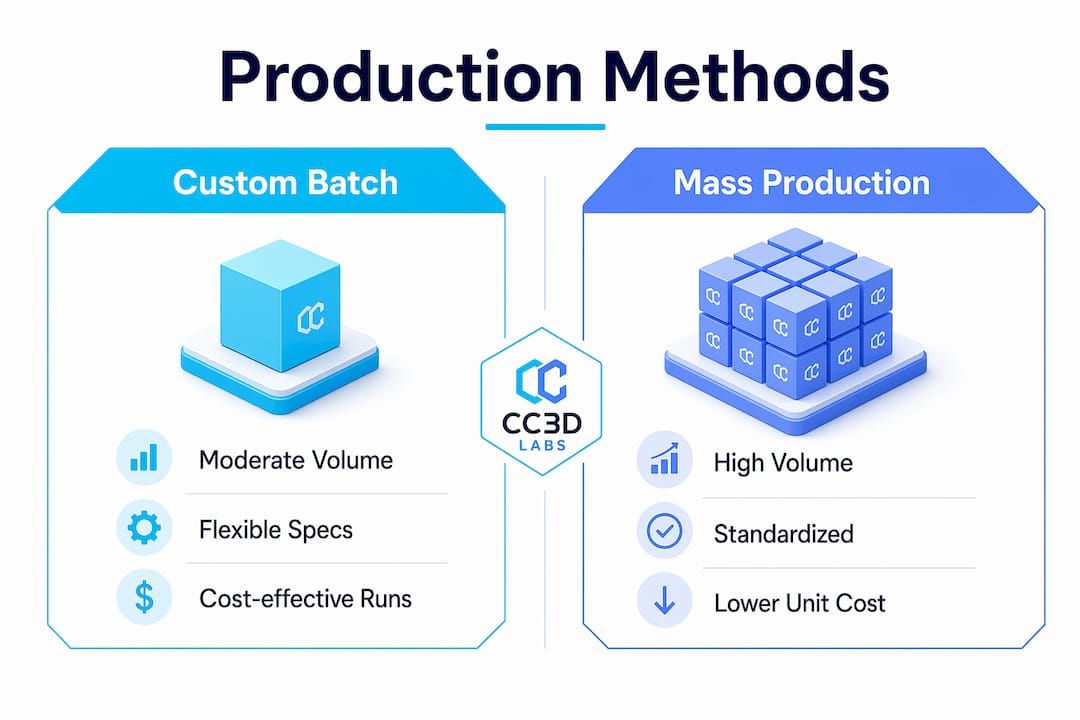
Infographic comparing custom batch and mass production

Batch production suits moderate-volume runs where product formulas or configurations vary between batches. Job shop production handles very low volumes with maximum customization, often one part at a time. Mass production runs the same product continuously at high volume with minimal variation.

Production type Typical volume Flexibility Per-unit cost Best use case
Job shop Very low (1–10 units) Very high Very high One-off prototypes, bespoke parts
Custom batch Low to moderate (10–5,000 units) High Moderate Specialized products, regulated industries
Standard batch Moderate (1,000–50,000 units) Moderate Lower Consumer goods, food, pharma
Mass production Very high (50,000+ units) Low Lowest Commodity products, automotive

Custom batch manufacturing spans a wide tolerance range depending on process: precision CNC machining can hold roughly ±0.005–0.02 mm, while FDM additive manufacturing typically holds ±0.2–0.5 mm — ample for most functional parts. That level of precision is not available in standard mass production without significant tooling investment. The trade-off is a higher per-unit cost, which is justified when the product requires exact specifications or regulatory traceability.

The key distinction between custom batch and standard batch is the degree of specification per run. Standard batch production uses a fixed formula repeated across many runs. Custom batch production adjusts parameters, materials, or configurations for each client order. That adjustment is where the value lives for product developers and niche manufacturers.

What are the advantages and applications of custom batch manufacturing?

Custom batch manufacturing delivers three core advantages: flexibility, traceability, and quality control. Each one matters more in some industries than others, but all three apply across the board.

Flexibility means a manufacturer can shift from producing a medical device housing to an aerospace bracket between runs without retooling an entire production line. Batch production enables rapid market response with less financial risk than mass production. A business can test a new product with a run of 200 units, gather real-world feedback, and adjust the design before committing to larger volumes.

Traceability is the feature that regulated industries cannot operate without. Batch manufacturing tracks each production run uniquely, which is critical in pharmaceuticals, food production, and medical device manufacturing. If a defect surfaces, the investigation targets one batch, not the entire production history. That focused scope minimizes recall costs and regulatory exposure.

Quality control benefits from the stop-and-start structure. Each pause between batches is an opportunity to verify that the process is still within specification before committing more material and labor to the next run.

“Batch records are vital quality control tools that allow targeted investigations and minimize production impact during defects. Documentation supports traceability and audits across regulated industries.”

— Unleashed Software, Batch Production Explained

The industries that rely most heavily on custom batch manufacturing include aerospace, medical devices, specialty food and pharma formulations, and niche consumer products. An aerospace supplier producing a run of 50 custom brackets needs documented traceability for each part. A medical device company producing a limited run of surgical guides needs both precision and a complete quality record. Custom batch manufacturing serves both requirements in a single workflow. The same principle applies in brake manufacturing quality control, where batch traceability directly affects safety outcomes.

What practical tips help optimize custom batch workflows?

Setup time is the biggest cost driver in low-volume custom batch manufacturing. DFM practices reduce repositioning during machining and cut idle machine time, which directly lowers labor costs per part. A design that requires five fixture changes costs more to produce than one requiring two, even if the material cost is identical.

The following practices consistently reduce cost and delay in custom batch production:

  • Plan changeover time explicitly. Ignoring changeover time causes unexpected timeline extensions. Build cleaning, recalibration, and setup into the project schedule from day one, not as an afterthought.
  • Maintain batch records throughout the run. Documentation is not a post-production task. Logging measurements and process parameters during the run gives you real-time data to catch drift before it becomes a defect.
  • Choose the right technology for the volume. Additive manufacturing, including low-volume 3D printing, suits runs where tooling cost would make CNC or injection molding uneconomical. CNC machining suits runs where tight tolerances and material strength are non-negotiable.
  • Standardize your incoming material checks. Batch failures often trace back to material variation, not process variation. A quick incoming inspection prevents a bad material lot from contaminating an entire run.
  • Communicate design changes in writing. Verbal changes between batches are where errors enter. A written change order tied to the batch record keeps the production history clean and auditable.

Pro Tip: Ask your manufacturer to run a first-article inspection on the initial unit of each new batch. Catching a dimensional error on part one costs far less than discovering it on part forty.

Key Takeaways

Custom batch manufacturing is the most practical production method for manufacturers and designers who need precision, traceability, and flexibility without the volume commitments of mass production.

Point Details
Core definition Custom batch manufacturing produces tailored products in defined runs with planned pauses for quality control and changeover.
Six-stage workflow Every run moves from spec definition through CAD, method selection, quoting, in-process QC, and final delivery.
Traceability advantage Each batch carries a unique record, enabling targeted investigations and minimizing recall scope in regulated industries.
DFM reduces cost Design for Manufacturability review cuts setup complexity and idle machine time before production begins.
Technology fit matters Additive manufacturing suits low-volume custom runs; CNC machining suits high-precision, moderate-volume requirements.

Why custom batch manufacturing is underrated as a product launch strategy

Most product developers I work with arrive thinking they need to choose between a one-off prototype and a full production run. That binary thinking leaves a lot of value on the table. Custom batch manufacturing is the tool that lets you do neither and both at once.

A run of 50 to 500 units gives you real-world data, actual customer feedback, and a documented production process you can hand to a larger manufacturer later. The batch record you build during that first run becomes your quality baseline. Every subsequent run either confirms that baseline or tells you something changed. That is not just manufacturing discipline. It is product intelligence.

The integration of CAD modeling workflows with flexible production lines has made custom batch manufacturing more accessible than it was a decade ago. Digital design files move directly into production without the tooling delays that once made small runs expensive. Entrepreneurs who understand this can test and launch products faster than competitors still waiting for minimum order quantities from traditional suppliers.

The collaborative nature of custom batch work is also undervalued. A manufacturer who reviews your design before production starts is not just a vendor. That review catches problems that would otherwise show up as scrap, rework, or a failed product launch. The best custom batch relationships I have seen treat that DFM conversation as the most important meeting in the project.

— Justin

Cc3dlabs: precision 3D printing for custom batch production

Cc3dlabs, based near Philadelphia, specializes in filament-based custom 3D printing services built for exactly the kind of low-volume, high-specification runs that define custom batch manufacturing. Whether you need 10 functional prototypes or 500 production-grade parts, Cc3dlabs handles the full workflow from CAD review through final quality inspection.

https://cc3dlabs.com

The team at Cc3dlabs brings CAD modeling expertise and in-process quality control to every batch, so your parts arrive documented and verified. Multi-color printing, professional handheld 3D scanning (accuracy to ~0.1 mm), and design support are all available in a single service relationship. Get a free online estimate and see how a custom batch run can move your product from concept to verified production faster than traditional manufacturing routes.

FAQ

What is custom batch manufacturing in simple terms?

Custom batch manufacturing is the production of a specific quantity of tailored products in a single run, with planned stops between batches for quality checks and changeover. It sits between one-off job shop work and high-volume continuous production.

How does batch production differ from mass production?

Batch production runs defined quantities with pauses for recalibration and quality control, while mass production runs continuously at high volume with minimal variation. Batch production offers more flexibility and traceability at a higher per-unit cost.

What industries use custom batch manufacturing most?

Aerospace, medical devices, pharmaceuticals, specialty food production, and niche consumer products rely most heavily on custom batch manufacturing because they require both precision and documented traceability for each production run.

Why is DFM important in custom batch manufacturing?

Design for Manufacturability review reduces setup complexity and repositioning during machining, which directly lowers labor and machine idle costs. Running DFM before production starts is the single most effective way to reduce per-part cost in a custom batch run.

What is a batch record and why does it matter?

A batch record is a documented log of all process parameters, measurements, and quality checks for a single production run. It enables targeted investigations if a defect surfaces and supports regulatory audits without disrupting other production batches.

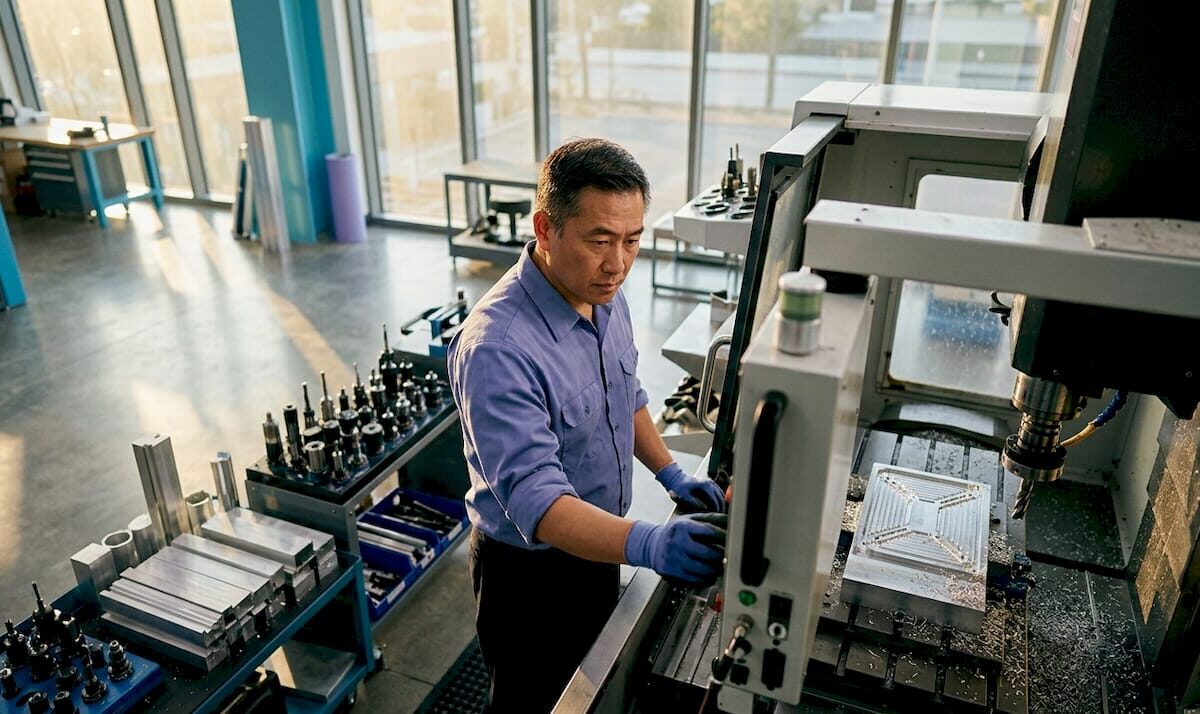
Technician operating CNC milling machine in workshop

What Is Digital Fabrication? A Complete Guide


TL;DR:

  • Digital fabrication involves computer-controlled machines transforming digital designs into physical objects with minimal human intervention. It encompasses various methods like 3D printing, CNC milling, and laser cutting, based on a CAD to CAM workflow. Its main benefits are precision, speed, and customization, but it requires skill and investment for effective use.

Digital fabrication is defined as the process of using computer-controlled machines to transform digital design files into physical objects, with minimal human intervention at the production stage. The field originated in the 1950s and has since become a core skill in architecture, engineering, product development, and artistic design. Understanding what is digital fabrication means recognizing that it covers far more than 3D printing. It spans CNC milling, laser cutting, water jet cutting, and forming processes, all driven by the same fundamental workflow: a digital file controls the machine, and the machine builds the part.

What is digital fabrication and how does it work?

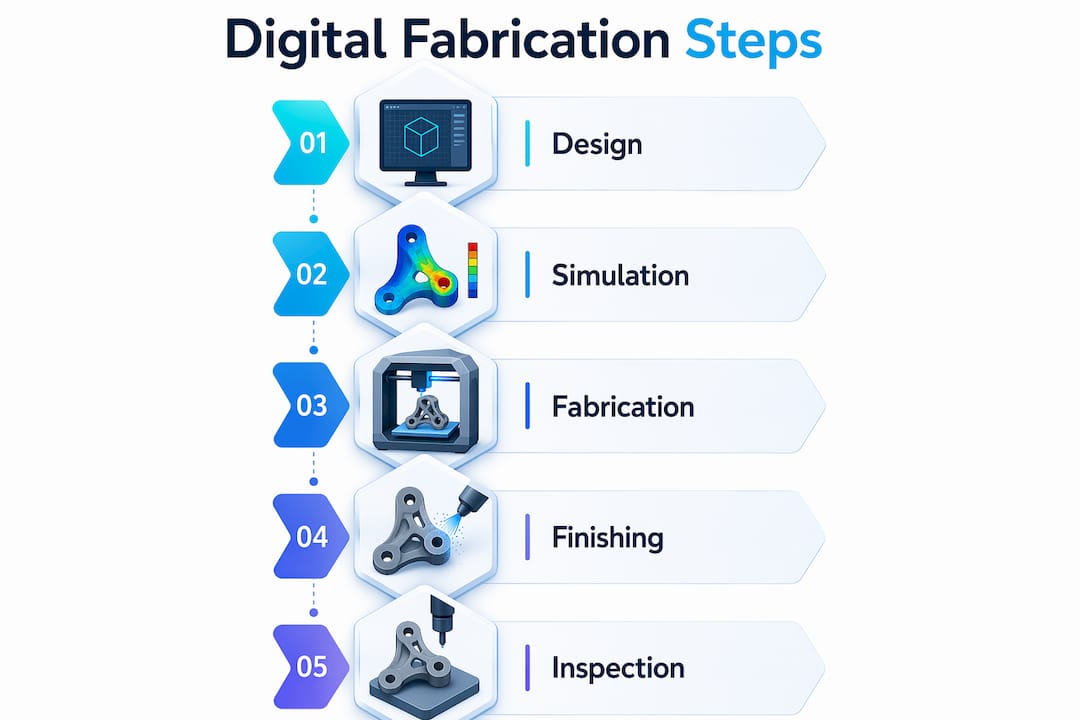
Digital fabrication technology operates through a two-stage workflow: CAD to CAM. CAD, or computer-aided design, is where you create the digital model. CAM, or computer-aided manufacturing, translates that model into machine-readable instructions called G-code or toolpaths. The machine then executes those instructions with a level of repeatability no human hand can match.

"Beyond 3D printers": Understanding Digital Fabrication Practices for the Education of Visually ...

The CAD to CAM workflow is the foundation of every digital fabrication process. Once a design is finalized in software like Autodesk Fusion 360 or SolidWorks, the CAM software calculates the exact movements the machine must make. That file goes directly to the machine, which executes the build automatically.

The main machine types in a digital fabrication ecosystem include:

  • 3D printers (FDM, SLA, SLS): build objects layer by layer from plastic, resin, or powder
  • CNC mills: remove material from a solid block using rotating cutting tools
  • Laser cutters: use a focused beam to cut or engrave sheet materials like wood, acrylic, or metal
  • Vinyl cutters: trace vector paths to cut adhesive films or thin sheets
  • Water jet cutters: use high-pressure water mixed with abrasive to cut thick metals and composites

The key distinction between digital and analog fabrication is control. In analog fabrication, a human guides the tool, even when using jigs or templates. In digital fabrication, precise digital instructions control every movement. That shift eliminates a major source of human error and makes production far more consistent.

Pro Tip: Before sending any file to a machine, run a simulation in your CAM software. Catching a toolpath collision on screen costs nothing. Catching it on the machine costs material, time, and sometimes the tool itself.

Infographic outlining digital fabrication process steps

What are the main types of digital fabrication methods?

Digital fabrication processes fall into three categories: additive, subtractive, and formative manufacturing. Each category uses distinct machines, suits different materials, and produces different results. Choosing the wrong category for a project wastes time and money.

Engineer overseeing 3D printer producing prototype

Additive manufacturing builds objects by depositing material layer by layer. 3D printing is the most common example. It excels at complex internal geometries, lightweight structures, and low-volume custom parts. Material waste is minimal because you only deposit what the part requires.

Subtractive manufacturing starts with a solid block and removes material until the part remains. CNC milling and laser cutting are the primary tools. Subtractive methods produce parts with tighter tolerances and better surface finishes than most additive processes. They work well with metals, hardwoods, and engineering-grade plastics.

Formative manufacturing uses digital control to shape, bend, fold, or mold material without adding or removing it. Processes like CNC bending, thermoforming, and press braking fall here. Formative methods are fast for high-volume production and work well with sheet metal and thermoplastics.

Method Key advantage Main limitation Typical materials Best for
Additive Complex geometry, low waste Slower, lower strength Plastics, resins, metals Prototypes, custom parts
Subtractive Tight tolerances, strong parts More material waste Metals, wood, plastics Functional components
Formative Fast at volume, consistent High tooling cost Sheet metal, thermoplastics Production runs

Pro Tip: For most prototyping projects, start with additive manufacturing to validate geometry, then switch to subtractive or formative methods for the production version. This sequence saves significant tooling cost.

What are the main applications of digital fabrication?

Digital fabrication technology serves four major application areas, each with distinct requirements and benefits.

  1. Rapid prototyping. Designers and engineers use digital fabrication to validate concepts quickly without committing to expensive tooling. A part that once took weeks to produce by hand can now be printed overnight and tested the next morning. The ability to iterate fast is the single biggest competitive advantage digital fabrication gives product developers.

  2. Precision manufacturing. CNC milling and laser cutting produce parts to tolerances measured in thousandths of an inch. Aerospace brackets, medical device housings, and automotive jigs all rely on subtractive digital fabrication for this level of accuracy. The automated precision of these processes reduces human error and minimizes material waste compared to traditional manual methods.

  3. Architectural and artistic design. Architects use digital fabrication to produce building components with complex geometries that would be impossible to create by hand. Parametric facades, custom joinery, and scale models all come out of the same CAD to CAM pipeline. Artists use laser cutters and CNC routers to create intricate sculptures and installations that require machine-level precision.

  4. Education and makerspaces. Schools and community fabrication labs use digital fabrication tools to teach design thinking, engineering, and problem-solving. Students move from a sketch to a physical object in a single session. That near-instant feedback loop accelerates learning in a way that traditional shop class never could.

The integration of design and fabrication into a nearly simultaneous process is what makes digital fabrication so powerful across all four areas. You design it, you make it, you test it, and you improve it. That cycle used to take months. Now it takes days or hours.

Cc3dlabs applies this same workflow to custom 3D printing for engineers and product developers near Philadelphia, producing functional prototypes and batch parts with fast turnaround times.

What are the benefits and challenges of digital fabrication?

The benefits of digital fabrication are concrete and measurable. The challenges are real but manageable with the right preparation.

Core benefits:

  • Precision: Machines execute digital instructions exactly, producing consistent results across every unit in a batch
  • Waste reduction: Additive processes use only the material the part requires; subtractive processes recycle chips and offcuts
  • Speed: The iterative feedback loop between design and fabrication compresses development timelines
  • Customization: Every part can be unique without retooling, because the design file is the only thing that changes
  • Reduced human error: Digital control eliminates the variability introduced by manual tool guidance

Common challenges:

  • Upfront cost: Professional CNC machines and industrial 3D printers carry significant purchase and maintenance costs
  • Skill requirements: Operating CAD and CAM software requires training. A poorly prepared file produces a poorly made part
  • Material constraints: Not every material works with every process. Matching material to method requires experience
  • Software learning curve: CAD platforms like Fusion 360 and SolidWorks take months to learn at a production level

The comprehensive digital fabrication ecosystem including CNC milling, laser cutting, and forming processes requires unified CAD/CAM workflows to function efficiently. Teams that invest in workflow standardization recover their setup costs faster than those who treat each machine as a separate silo.

Pro Tip: Build a material and process matrix before starting any new project. List your geometry requirements, tolerance needs, and volume, then match them to the right fabrication method. Skipping this step is the most common reason projects go over budget.

Key Takeaways

Digital fabrication is the most direct path from a digital design to a physical object, and choosing the right process category determines whether a project succeeds or fails.

Point Details
CAD to CAM is the core workflow Every digital fabrication process starts with a design file and ends with machine-readable instructions.
Three categories cover all methods Additive, subtractive, and formative manufacturing each suit different materials, tolerances, and volumes.
Precision and speed are the top benefits Digital control eliminates human error and compresses design-to-part timelines significantly.
Prototyping drives the most value Rapid iteration using digital fabrication cuts development time and reduces tooling costs before production.
Skill and cost are the main barriers CAD/CAM proficiency and equipment investment are the two factors that determine adoption speed.

Why the “3D printing equals digital fabrication” myth costs engineers time

The most persistent misconception I see among engineers new to this field is treating digital fabrication and 3D printing as synonyms. They are not. 3D printing is one tool in a much larger toolkit, and defaulting to it for every project leads to parts that are weaker, slower to produce, or more expensive than they need to be.

I have watched product teams spend weeks iterating on FDM-printed structural brackets, only to discover that a CNC-milled aluminum version would have passed load testing on the first attempt. The additive process was the wrong choice for that geometry and that material. The team knew how to use a 3D printer. They did not know when not to use one.

The real skill in digital fabrication is process selection. That means understanding the additive manufacturing category deeply enough to know its limits, and knowing when subtractive or formative methods will produce a better outcome. It also means building an iterative feedback loop into every project. Practitioners who use simulations and physical mock-ups to test assumptions before committing to final production consistently produce better parts at lower cost.

The future of this field belongs to engineers and creators who treat digital fabrication as a system, not a single machine. The tools will keep improving. The workflow discipline is what separates good outcomes from great ones.

— Justin

Cc3dlabs: professional digital fabrication for your next project

Cc3dlabs brings professional-grade digital fabrication to engineers, product developers, and creators near Philadelphia and beyond. The team specializes in custom filament-based 3D printing, multi-color printing, CAD modeling, and professional handheld 3D scanning (accuracy to ~0.1 mm), all built around the same CAD to CAM workflow this article covers.

https://cc3dlabs.com

Whether you need a single functional prototype or a batch of precision parts, Cc3dlabs delivers accurate results with fast turnaround times. The process starts with your design file or a free consultation if you need modeling support. Explore the full range of 3D printing services to find the right solution for your project, or check out what is possible with 3D printing for product innovation before you commit to a fabrication method.

FAQ

What is digital fabrication in simple terms?

Digital fabrication is the process of using computer-controlled machines to build physical objects directly from digital design files. The machine reads the file and executes the build automatically, with minimal human intervention.

How does digital fabrication differ from traditional manufacturing?

Traditional manufacturing relies on manual tool guidance, even when jigs are used. Digital fabrication uses precise digital instructions to control every machine movement, which eliminates human variability and produces consistent results across every part.

What are the three main types of digital fabrication?

The three categories are additive manufacturing, which builds objects layer by layer; subtractive manufacturing, which removes material from a solid block; and formative manufacturing, which uses digital control to shape or mold material without adding or removing it.

Is 3D printing the same as digital fabrication?

No. Digital fabrication is a broad field that includes 3D printing, CNC milling, laser cutting, water jet cutting, and forming processes. 3D printing is one method within that larger category.

What industries use digital fabrication most?

Architecture, aerospace, automotive, medical device manufacturing, product design, and education all rely heavily on digital fabrication for prototyping, precision parts, and complex geometry production.

Engineer working on digital manufacturing CAD software

What Is Digital Manufacturing? A Complete 2026 Guide


TL;DR:

  • Digital manufacturing integrates design and production using AI, IoT, and digital twins to enable faster, more flexible production. It replaces manual workflows with a connected, data-driven system, improving productivity and reducing costs. Workforce adaptation and data connectivity are critical for its successful implementation.

Digital manufacturing is defined as an integrated, computer-based approach that connects product design, simulation, and production into a single data-driven system. It uses technologies like AI, IoT, cloud computing, and digital twins to replace disconnected, manual workflows with a unified production environment. The result is faster product development, lower costs, and the ability to respond to market changes without retooling entire production lines. Industry 4.0 frameworks have made this approach the standard for manufacturers who compete on speed and quality. Understanding how it works gives product developers and engineers a real advantage when planning production.

What is digital manufacturing and how does it work?

Digital manufacturing is the practice of integrating CAD design with production systems through AI, IoT, cloud computing, and 3D printing to enable virtual simulation before any physical part is made. The core idea is simple: model everything digitally first, find problems early, and only commit to physical production once the design and process are validated. This approach eliminates the expensive trial-and-error cycles that define traditional manufacturing.

The technologies that power digital manufacturing work together as a system:

  • CAD/CAM integration: Computer-aided design (CAD) and computer-aided manufacturing (CAM) software translate product geometry directly into machine instructions, removing manual handoffs between design and production teams.
  • Digital twins: A virtual replica of a product, process, or entire factory floor. Engineers run simulations on the twin to detect bottlenecks and design flaws before physical production begins, saving significant retooling costs.
  • AI and IoT sensors: Real-time data from connected machines feeds AI models that monitor performance, flag anomalies, and recommend corrective actions automatically.
  • Cloud computing: Centralizes data across design, supply chain, and production so every team works from the same live information.
  • 3D printing: Converts digital files directly into physical parts, making on-demand production and rapid prototyping practical at any scale.

These technologies synchronize product development and manufacturing into one continuous workflow. A design change made in CAD propagates instantly to the simulation model and the production schedule, rather than requiring weeks of manual updates.

Pro Tip: Before adopting digital manufacturing tools, map your current workflow on paper. Identifying where data gets lost between design and production reveals exactly which technology will deliver the fastest return.

What are the benefits of digital manufacturing vs. traditional methods?

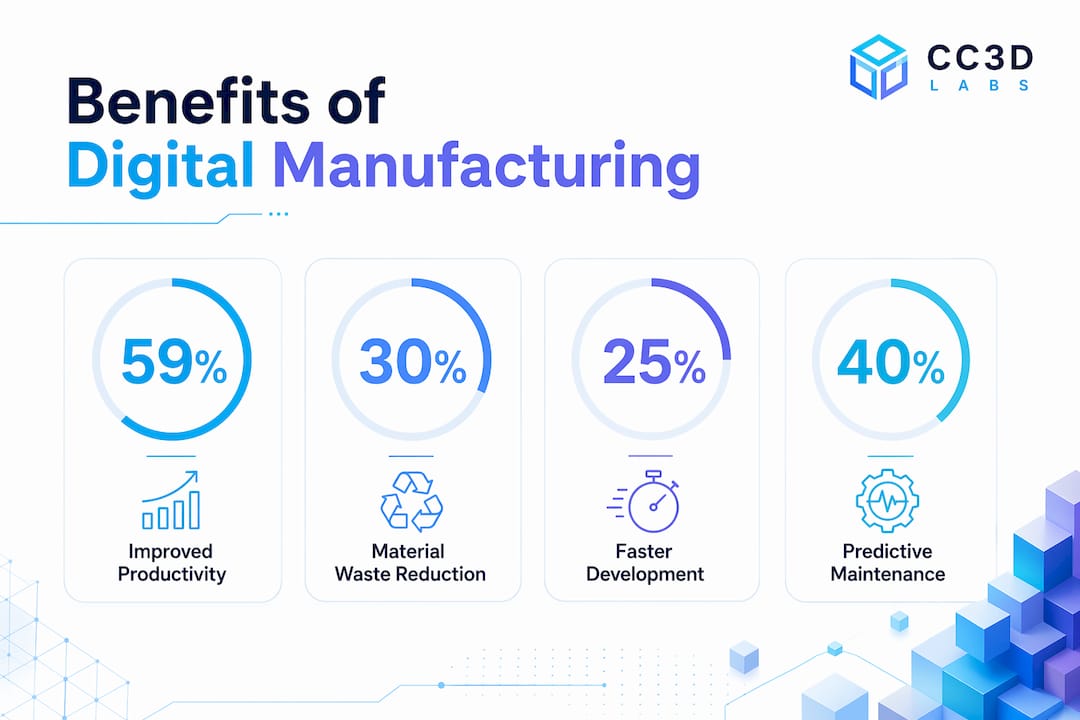
The performance gap between digital and traditional manufacturing is measurable. A majority of manufacturers in industry surveys saw improved productivity after adopting digital manufacturing, with many reporting sales growth and profit increases. Those numbers reflect what happens when guesswork is replaced by data at every production stage.

Infographic highlighting key benefits of digital manufacturing

Traditional manufacturing is reactive by nature. A machine fails, production stops, and teams scramble to fix it. Digital manufacturing flips that model entirely. Digital systems detect deviations and recommend corrective actions automatically, shifting operations from manual error correction to predictive intelligence. The factory does not wait for a problem to appear. It anticipates and prevents it.

The practical advantages include:

  • Reduced downtime: Predictive maintenance uses real-time sensor data to schedule repairs before equipment fails, cutting unplanned stoppages.
  • Lower material waste: Virtual simulation identifies design and process errors before raw materials are consumed.
  • Faster iteration cycles: Digital workflows compress the time from concept to prototype from weeks to days.
  • Supply chain agility: Integrated data systems let manufacturers adjust production schedules in response to demand shifts without disrupting the entire operation.
  • Custom production at scale: Small batch manufacturing becomes economically viable because digital systems eliminate the large setup costs that made short runs impractical on traditional assembly lines.

The shift from reactive to proactive manufacturing is the defining advantage. Traditional methods optimize for stability. Digital manufacturing optimizes for adaptability, which is the more valuable capability in a market where product cycles are measured in months, not years.

Key frameworks and components of digital manufacturing

Digital manufacturing is not a single tool. It is a framework built on several interconnected components, each addressing a different part of the production lifecycle.

Product lifecycle management (PLM)

PLM software manages a product’s data from initial concept through design, manufacturing, and end of life. In a digital manufacturing environment, PLM connects directly to production systems so that engineering changes update manufacturing instructions automatically. This eliminates the version control problems that cause defects in traditional workflows.

Smart factory architecture

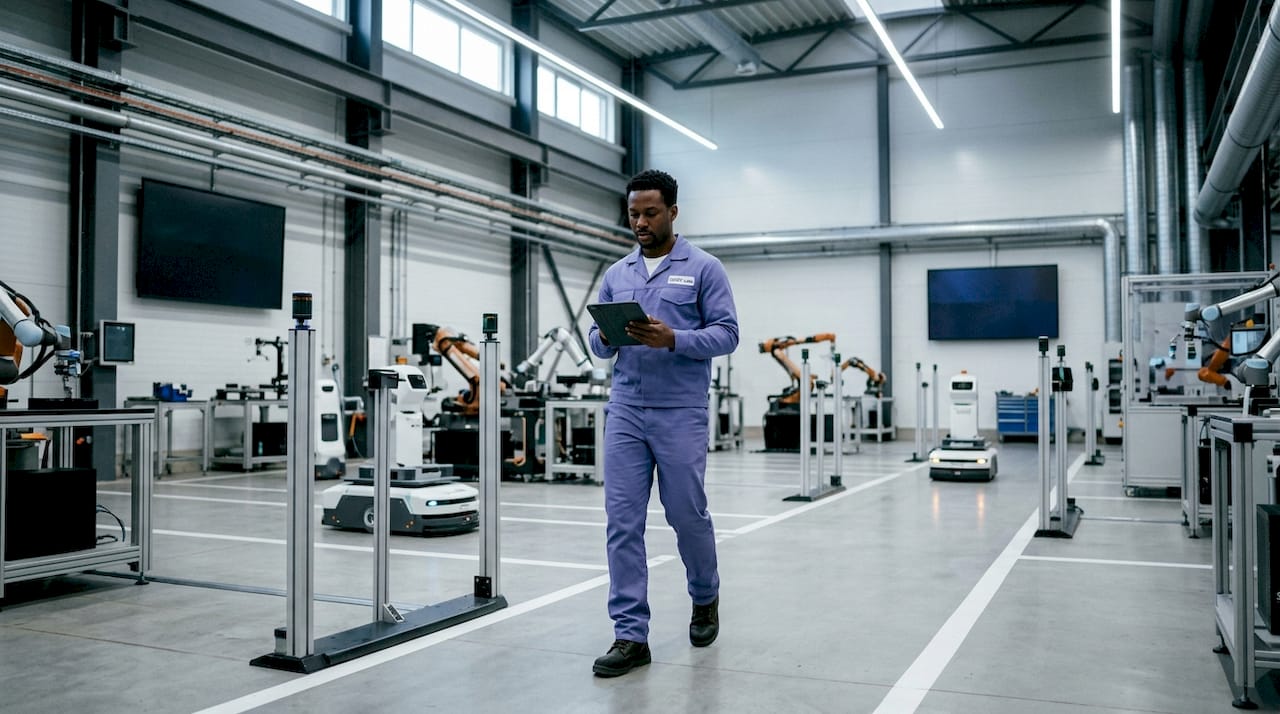
A smart factory uses networked machines, sensors, and software to create a self-monitoring production environment. Machines report their own status, production data flows to a central dashboard, and supervisors see the entire operation in real time. The factory floor becomes a data source, not just a physical space.

Smart factory floor with robotic machines and operator

Unified data ecosystems

True digital manufacturing integrates planning, logistics, quality control, and execution into one intelligent system rather than a collection of isolated automation tools. Many organizations mistake factory automation for digital manufacturing. Automation handles repetitive tasks. Digital manufacturing connects those tasks to every other function in the business, from procurement to customer delivery.

Pro Tip: Audit your data flows before investing in new software. If your design team and production team use separate systems that do not share data automatically, start there. Unified data is the foundation everything else depends on.

Digital twin as a continuous improvement engine

A comprehensive digital twin simulates the product, the manufacturing process, and the factory layout simultaneously. Engineers use it to test changes virtually, measure their impact on throughput and quality, and implement only the modifications that improve outcomes. This makes continuous improvement systematic rather than anecdotal.

Framework component Primary benefit
PLM integration Automatic propagation of design changes to production
Smart factory sensors Real-time visibility into machine and process performance
Unified data ecosystem Eliminates silos between design, logistics, and execution
Digital twin simulation Detects flaws and bottlenecks before physical production
AI-driven analytics Converts raw production data into corrective recommendations

What are real-world examples of digital manufacturing?

Digital manufacturing applies across industries and production scales. The following examples show how the concepts above translate into practice.

  1. Rapid prototyping with 3D printing: A product developer uploads a CAD file and receives a physical prototype the same day. No tooling, no minimum order quantity, no waiting for a supplier. Services like those offered by Cc3dlabs make on-demand prototype production accessible to teams of any size.

  2. Predictive maintenance in automotive plants: Sensors on CNC machines track vibration, temperature, and cycle time. When readings drift outside normal ranges, the system flags the machine for inspection before it fails. Downtime drops because maintenance is scheduled, not emergency.

  3. Digital twin for quality control: A medical device manufacturer builds a digital twin of its assembly process. Every batch is simulated against the twin before production begins. Defect rates fall because problems are caught in simulation, not on the production floor.

  4. Agile custom production: A consumer electronics company receives an order for 200 units of a customized enclosure. Because the CAD workflow connects directly to production, the team adjusts the design, validates it in simulation, and starts printing within hours. Traditional tooling would have made that order unprofitable.

  5. Supply chain integration: A contract manufacturer connects its production scheduling software to its suppliers’ inventory systems. When a component runs low, the system automatically triggers a purchase order. Lead times shrink because humans are no longer the bottleneck in routine procurement decisions.

Digital manufacturing also enables low-volume production runs that were previously cost-prohibitive. The ability to produce 10 or 10,000 units from the same digital workflow gives businesses the flexibility to test markets before committing to full-scale production.

The common thread across all these examples is data continuity. Every step in the process generates information that feeds the next step. Nothing is lost in translation between departments, and no decision relies on outdated information.

Key Takeaways

Digital manufacturing is the most direct path from product concept to validated, production-ready output because it replaces disconnected manual steps with a single, data-driven system that catches errors before they cost money.

Point Details
Core definition Digital manufacturing integrates CAD, AI, IoT, and simulation into one connected production system.
Productivity impact 59% of adopters report improved productivity, with measurable gains in sales and profit.
Proactive vs. reactive Digital systems detect and correct deviations automatically, preventing downtime rather than reacting to it.
Unified data is the foundation Connecting design, logistics, and execution into one data flow is what separates digital manufacturing from simple automation.
3D printing as an entry point On-demand 3D printing is the most accessible way to apply digital manufacturing principles at any production scale.

Why the workforce question matters more than the technology

The hardest part of digital manufacturing is not the software. Workforce adaptation is critical, and training and change management impact success more than technology alone. I have seen this play out repeatedly. A company invests in a sophisticated digital twin platform, and six months later the operators are still running the machines the way they always have because nobody explained why the new system matters to them personally.

The technology is only as good as the people who trust it. Operators who understand what the data means make better decisions. Supervisors who know how to read a predictive maintenance alert act on it instead of dismissing it. The cultural shift from “I know this machine” to “the data tells me what this machine needs” takes time and deliberate investment.

The other mistake I see constantly is treating digital manufacturing as a technology project rather than a business transformation. Companies automate individual processes and declare victory. But isolated automation increases complexity rather than reducing it. You end up with more systems that do not talk to each other, more data that nobody can act on, and more frustration than you started with.

The organizations that get this right start with the data flow, not the tools. They ask: where does information break down between design and production? Where do teams make decisions based on stale data? Fix those gaps first. The technology choices become obvious once you know what you are actually trying to connect.

The future of digital manufacturing runs through AI-enhanced digital twins that update in real time and workforce teams trained to act on what those twins reveal. That combination, not any single piece of software, is what creates a genuine competitive advantage.

— Justin

How Cc3dlabs brings digital manufacturing to your projects

Cc3dlabs operates near Philadelphia and provides professional 3D printing and scanning services that fit directly into digital manufacturing workflows. Whether you need a prototype validated from a CAD file or a batch of functional parts produced on demand, Cc3dlabs handles the physical production side with filament-based printing, multi-color output, and professional handheld 3D scanning (accuracy to ~0.1 mm).

https://cc3dlabs.com

The team supports CAD integration, design review, and precision manufacturing for businesses and product developers at any scale. If you are applying digital manufacturing principles to a real project, Cc3dlabs 3D printing services give you a production partner who understands the workflow from file to finished part. Explore how 3D printing drives product innovation to see what is possible for your next development cycle.

FAQ

What is digital manufacturing in simple terms?

Digital manufacturing is the use of connected computer systems, including CAD software, AI, IoT sensors, and simulation tools, to design, test, and produce physical goods within a single data-driven workflow.

How does digital manufacturing differ from traditional manufacturing?

Traditional manufacturing is reactive, fixing problems after they occur. Digital manufacturing is proactive, using real-time data and simulation to detect and prevent issues before production begins.

What is a digital twin in manufacturing?

A digital twin is a virtual model of a product, process, or factory that engineers use to run simulations, test changes, and identify problems before committing to physical production.

What are the main benefits of digital manufacturing?

The main benefits include higher productivity, lower material waste, faster product development cycles, predictive maintenance, and the ability to run small custom production batches without large cost penalties.

Is 3D printing part of digital manufacturing?

Yes. 3D printing is a core digital manufacturing technology because it converts CAD files directly into physical parts, enabling on-demand production, rapid prototyping, and custom manufacturing at any scale.