

TL;DR:
- Embedding design support early in product development improves outcomes by reducing rework and enhancing decision quality. It involves structured review milestones, defined deliverables, and specialized roles like design technologists and engineers. Moving from reactive assistance to ownership creates organizational growth and accelerates time to market.
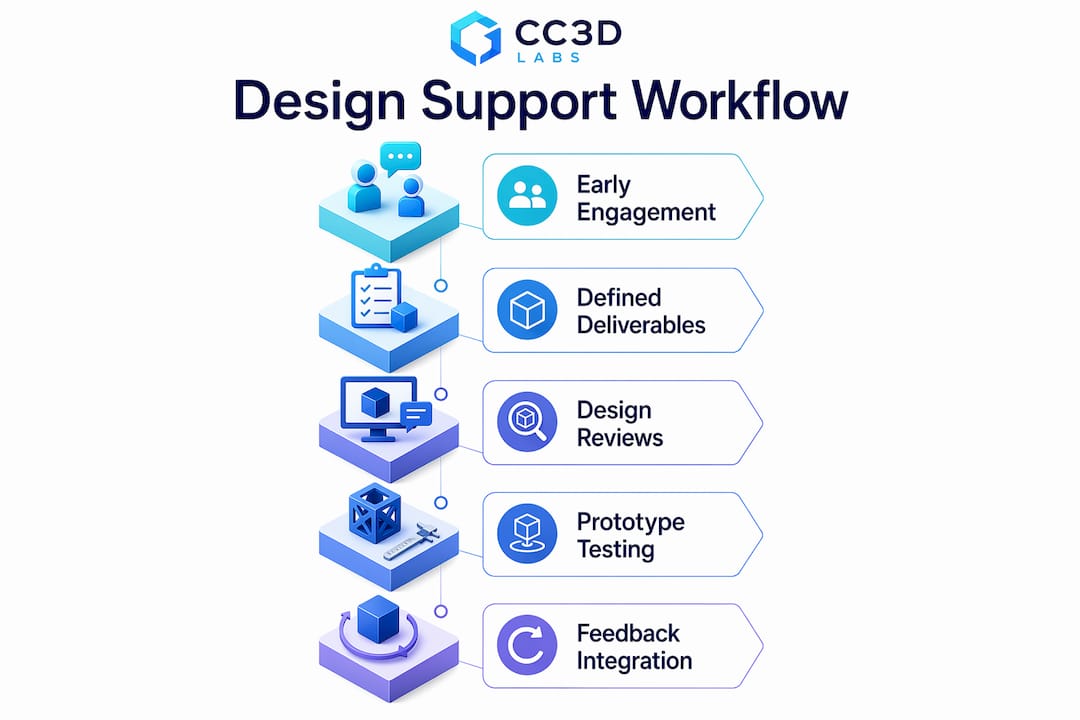
Design support is defined as the structured function that connects creative intent to technical execution throughout the product development cycle. Product developers and entrepreneurs who treat it as a core operational layer, rather than an optional service, consistently produce better outcomes. Design-led organizations achieve up to 32% higher revenue growth and 56% higher returns compared to those that treat design as a finishing step. That gap reflects what happens when design support is embedded early versus bolted on late. The role of design support is not cosmetic. It is the infrastructure that keeps development on track, reduces costly rework, and gives product teams the technical judgment they need to make confident decisions.
How does design support reduce rework and accelerate time to market?
Design support reduces rework by catching conflicts before they become change orders. When design guidance is absent or reactive, teams discover problems during manufacturing or late-stage review, where fixes cost far more in time and money. Design-led organizations report significant reductions in cycle times and rework within the first year of embedding design support as an operational function. That result is not accidental. It comes from structured review processes and defined milestones.
The most effective approach uses early review checkpoints to surface coordination problems before they compound. Engaging trade partners at the Design Development phase and at the 75% Construction Document milestone prevents thousands of coordination conflicts and change orders downstream. Each checkpoint forces alignment between design intent and technical constraints while changes are still inexpensive. Teams that skip these milestones pay for that shortcut later.
The importance of design support also shows up in procurement risk. Defined review stages give procurement teams accurate cost data earlier, which reduces the chance of budget surprises during production. A product that reaches manufacturing with unresolved design questions almost always generates costly revisions. Structured design support eliminates most of those questions before they reach the shop floor.
- Early milestone reviews at Design Development and 75% Construction Document phases catch conflicts early
- Defined deliverables give procurement teams reliable cost data before production begins
- Reduced cycle times follow directly from fewer unresolved design questions at handoff
- Structured feedback loops prevent the accumulation of small issues into large change orders
Pro Tip: Specify exact deliverables for each design review milestone in your contracts. Vague language like “design input provided” creates no accountability. Name the document, the format, and the deadline.
What specialized roles make design support work?
Design technologists and design engineers are the two roles most responsible for translating creative concepts into viable products. They are not interchangeable, and most product teams underestimate how much their absence costs. Design technologists bridge design and engineering by building the context layers and automation tools that let broader teams experiment faster and more safely. Their value is speed. They compress the time between concept and testable prototype.
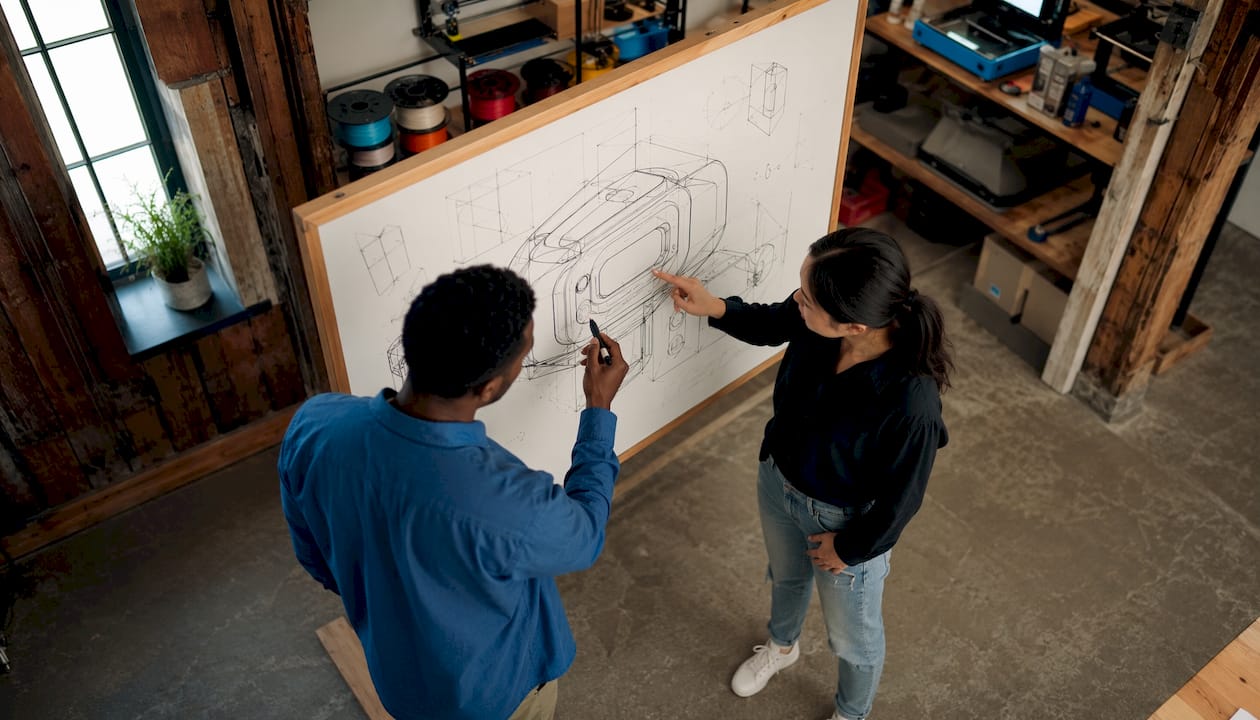
Design engineers serve a different but equally critical function. Design engineers maintain the contract between design intent and engineering implementation, ensuring that system architecture stays aligned with both design and technical constraints. In AI-assisted workflows, this role becomes even more important. When automated systems generate outputs, the design engineer evaluates whether those outputs actually serve the product’s goals. Without that stewardship, AI tools produce technically valid but strategically wrong results.
Both roles improve decision quality at every stage of development. A design technologist running rapid prototypes gives the team real data instead of assumptions. A design engineer reviewing an AI-generated component spec catches misalignments that a non-specialist would miss entirely. Together, they make the benefits of faster prototyping concrete and measurable rather than theoretical.
- Design technologist: builds automation tools and context layers; enables faster, safer experimentation
- Design engineer: governs design intent across engineering handoffs; critical in AI-assisted workflows
- Combined impact: shorter iteration cycles, fewer misaligned outputs, and better cross-functional decisions
Pro Tip: If your team cannot afford both roles full-time, prioritize the design engineer for any project using AI-generated components. Ungoverned AI outputs create technical debt that compounds quickly.
How should you embed design support in your development workflow?
Embedding design support effectively requires early engagement and written clarity on deliverables. Lack of clear contract deliverables is the leading cause of ignored feedback, which then drives downstream change orders and cost overruns. The fix is not more meetings. It is better documentation of what design support is expected to produce and when.
A formalized approach to design support outperforms an informal one across every measurable dimension. The table below shows the practical difference between the two.
| Dimension | Informal design support | Formalized design support |
|---|---|---|
| Deliverable clarity | Verbal agreements, no tracking | Written specs with defined formats and deadlines |
| Review milestones | Ad hoc, triggered by problems | Scheduled at DD and 75% CD phases |
| Feedback accountability | Feedback often ignored | Issue logs tracked to resolution |
| Cost modeling | Reactive, post-design estimates | Active cost modeling during design |
| Downstream conflicts | Frequent change orders | Significantly reduced RFIs and revisions |
The design-assist framework aligns cost modeling, constructability intelligence, and coordination to optimize decisions early in the process. Active involvement at this stage helps teams decide where change adds value versus where restraint protects timelines and budgets. That judgment is what separates design support from design decoration.
- Define deliverables in writing before the project starts, including format, owner, and deadline for each
- Schedule formal reviews at Design Development and 75% Construction Document phases
- Maintain an issue log that tracks every piece of design feedback to a documented resolution
- Run cost modeling during design, not after, to catch budget conflicts before they become commitments
- Require constructability reviews that include the people who will actually build or manufacture the product
Validating designs early through physical prototypes or digital checks is one of the most reliable ways to surface constructability problems before they reach production. Teams that build this step into their workflow consistently report fewer surprises at manufacturing handoff.
How does design support guide customization without losing control?
Design support and customization are not the same thing. Customization adds options. Design support adds judgment about which options are worth pursuing. Intelligent design support helps product developers make informed decisions that balance aesthetics, production feasibility, cost, and timing. Without that guidance, more options create more risk rather than more value.
The most common mistake is treating every customization request as equally valid. True design support involves advising when to restrain change requests to maintain production stability and rationalize material usage. A supplier or design partner who simply agrees with every request is not providing design support. They are providing compliance, which is far less valuable.
Product developers should expect the following from any partner providing genuine design support:
- Clear explanations of the cost, timing, and quality trade-offs for each customization option
- Honest pushback when a requested change threatens production stability or material efficiency
- Guidance on proportions, finishes, and tolerances that reflect manufacturing reality, not just design preference
- Recommendations that prioritize long-term product integrity over short-term client satisfaction
Pro Tip: When evaluating a design support partner, ask them to describe a time they advised against a client’s customization request. A partner who cannot answer that question is not providing real design support.
The packaging prototyping process illustrates this principle well. Teams that involve design support early in packaging development avoid the expensive cycle of producing samples that fail on production lines because no one checked feasibility during the design phase.
Key Takeaways
Design support functions as a strategic operational layer that reduces rework, accelerates time to market, and improves product quality when embedded early with clear deliverables and defined roles.
| Point | Details |
|---|---|
| Early embedding reduces rework | Scheduling design reviews at DD and 75% CD phases prevents costly downstream change orders. |
| Defined deliverables drive accountability | Written specs with tracked issue logs prevent feedback from being ignored. |
| Specialized roles improve outcomes | Design technologists speed prototyping; design engineers govern intent across AI-assisted handoffs. |
| Judgment beats compliance | Real design support means advising against poor customization, not agreeing with every request. |
| Design support drives growth | Organizations that treat design as a supported operational function achieve measurably higher revenue and returns. |
Design support is a growth function, not a service layer
I have watched product teams treat design support as something you call in when things go wrong. That instinct is understandable. Design support is often invisible when it works well, which makes it easy to cut when budgets tighten. But the teams I have seen build it in from day one consistently outperform the ones who treat it as a reactive resource.
The shift that matters most is moving from “design support as help desk” to “design support as ownership.” When design teams own metrics and influence roadmaps, their organizational impact multiplies. They stop responding to problems and start preventing them. That is not a philosophical point. It shows up in fewer change orders, shorter development cycles, and products that reach market closer to the original vision.
What I find most underrated is the continuity argument. Embedding design support early in the development cycle creates a thread of alignment that holds even when plans change. And plans always change. The teams that have design support woven into their process adapt faster because they have a shared reference point. The teams that treat it as optional scramble to rebuild context every time something shifts.
My honest advice: stop asking whether you can afford design support and start asking what it costs you not to have it. The answer is usually visible in your last project’s change order log.
— Justin
How Cc3dlabs brings design support to your prototyping process
Product developers who understand the importance of design support need a manufacturing partner who applies those same principles to every build. Cc3dlabs integrates design guidance directly into its 3D printing and scanning services, helping you catch feasibility problems before they become production failures.
From CAD modeling and metrology-grade scanning to custom filament printing for functional prototypes, Cc3dlabs supports your development cycle at the stages where design decisions matter most. The team near Philadelphia works with product developers and entrepreneurs locally and internationally, with fast turnaround times and free online estimates. Explore the full range of professional 3D printing services and see how integrated design support accelerates your path from concept to finished part.
FAQ
What is the role of design support in product development?
Design support is the operational function that connects creative intent to technical execution throughout development. It reduces rework, improves decision quality, and keeps products aligned with both design goals and manufacturing constraints.
Why is design support essential for entrepreneurs?
Entrepreneurs face the highest cost from late-stage design conflicts because they have fewer resources to absorb change orders. Embedding design support early prevents the budget and timeline overruns that kill early-stage products.
How does design support influence product quality?
Design support improves quality by surfacing constructability problems, material trade-offs, and engineering conflicts during design rather than during production. Organizations that formalize this function report measurably fewer defects and revisions at manufacturing handoff.
What should you look for in a design support partner?
A strong design support partner provides written deliverables, tracks feedback to resolution, and advises against poor customization decisions. A partner who agrees with every request is not providing real design support.
How do design technologists differ from design engineers?
Design technologists build tools and automation that speed up prototyping and team experimentation. Design engineers govern the alignment between design intent and engineering implementation, a role that becomes critical in AI-assisted product workflows.